Why Castle Combe Is So Popular
Powered by the Cotswolds.
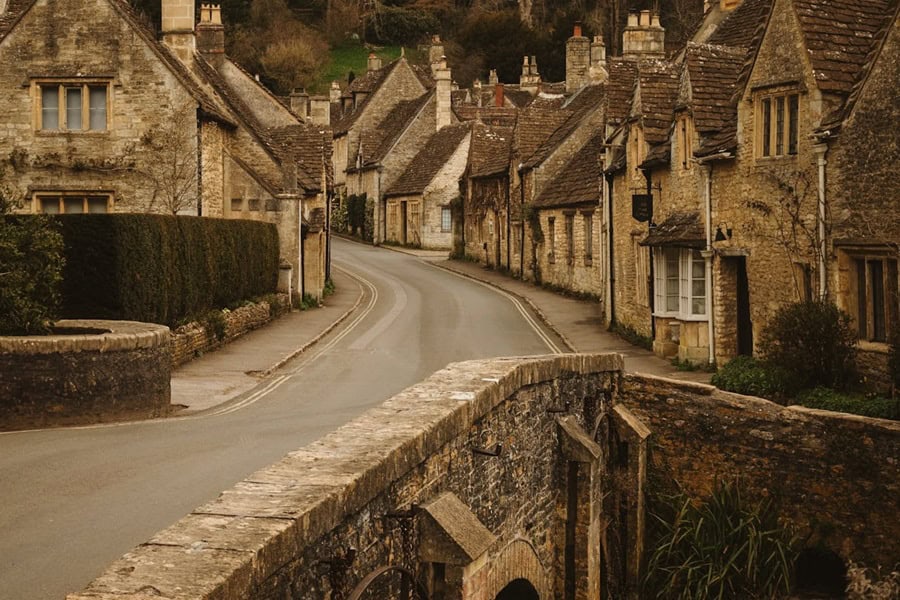
Castle Combe feels as if someone carefully paused the clock on a perfect English village.
CASTLE COMBE ENGLAND
There’s a handful of places in England where the phrase “postcard-perfect” genuinely fits. Castle Combe, tucked in the By Brook valley of north‑west Wiltshire and within the Cotswolds Area of Outstanding Natural Beauty, is one of them. With fewer than 400 residents, a 14th‑century market cross, honey‑coloured Cotswold stone cottages that appear untouched since the 17th century and a filmography that reads like a director’s wish list, it’s easy to see why Castle Combe is consistently ranked among Britain’s loveliest villages.
But popularity isn’t just about pretty pictures. In this guide I explain the full story — the historic roots, architecture, film connections, natural setting and visitor experience — and offer practical advice so you can enjoy the village respectfully and make the most of a visit.
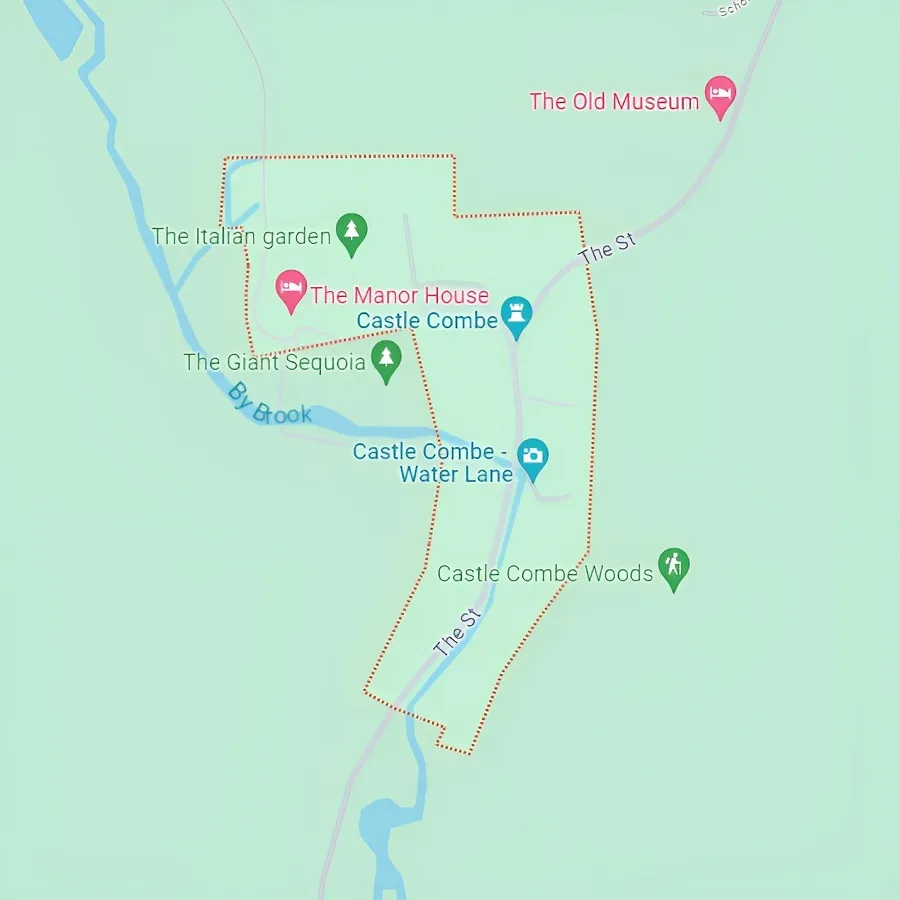
Google Maps: Castle Combe Map
Why Castle Combe attracts visitors: an overview
- Timeless visual charm: a concentration of well-preserved period buildings, traditional streets and the By Brook valley setting.
- Historical depth: Roman finds, Domesday entry, medieval market and a 12th‑century castle earthwork.
- Filming and media exposure: appearances in major films and TV series that feed curiosity and tourism.
- Rural accessibility: close enough to Bath and Chippenham for day trips, yet distinctly rural.
- Variety of experiences: walking, photography, heritage architecture, the motor circuit, nearby attractions and country hospitality.
The look everyone wants in a photograph
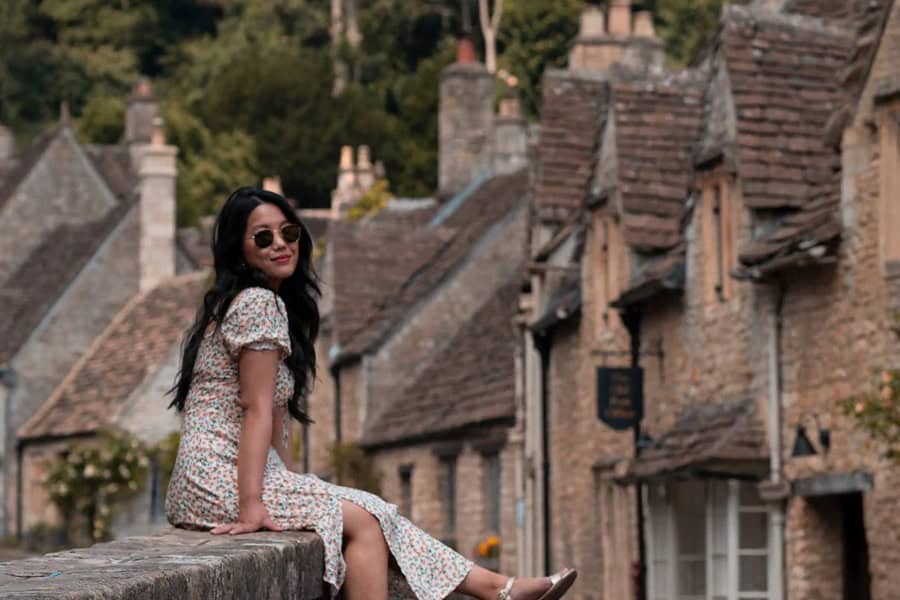
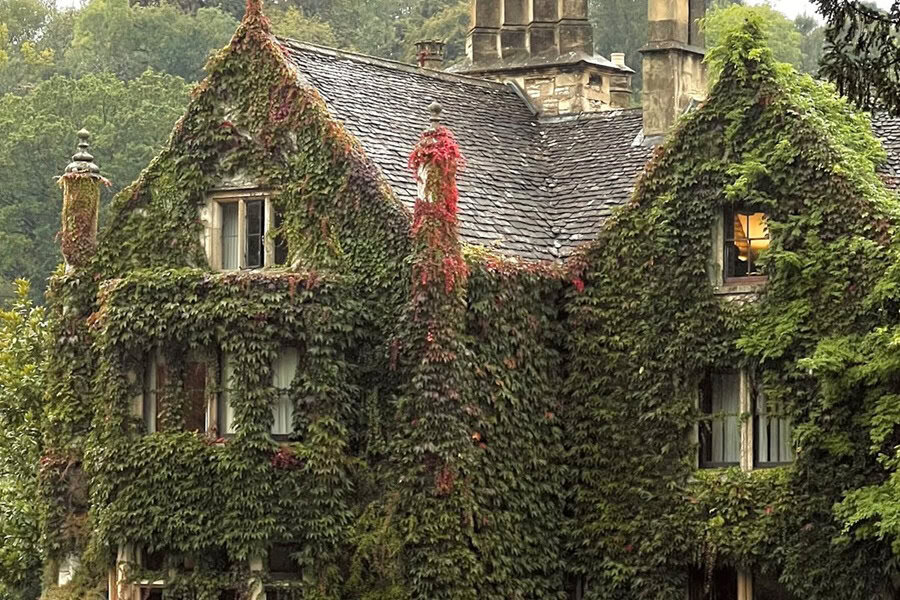
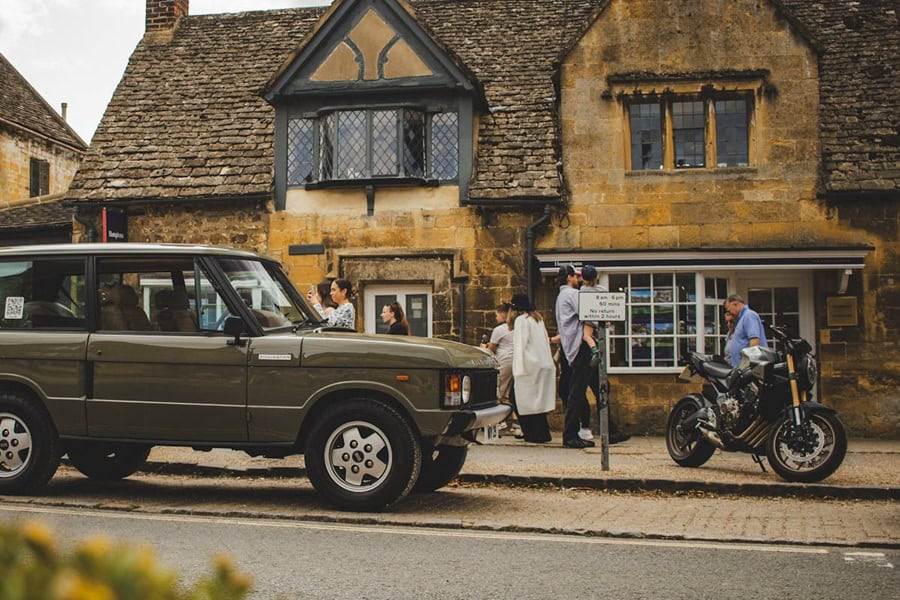
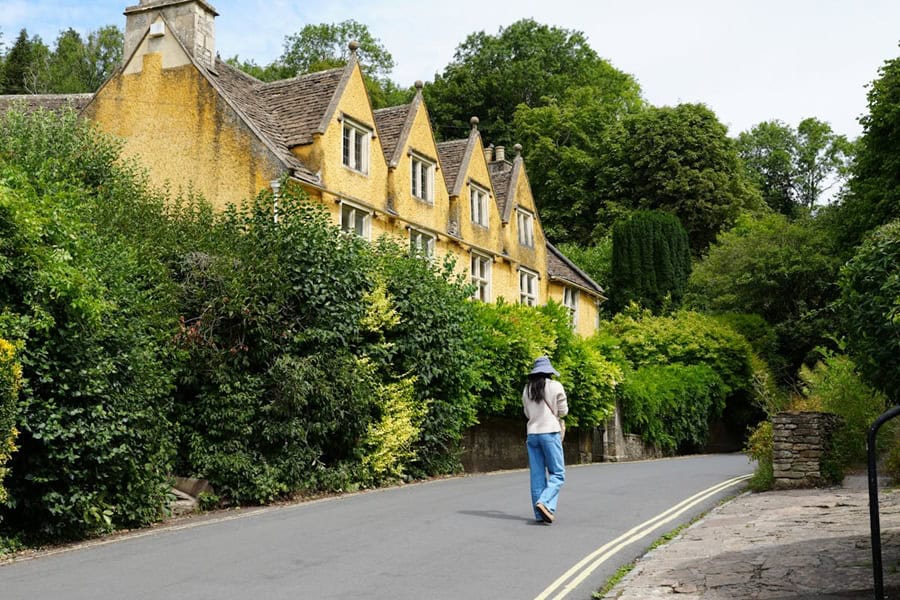
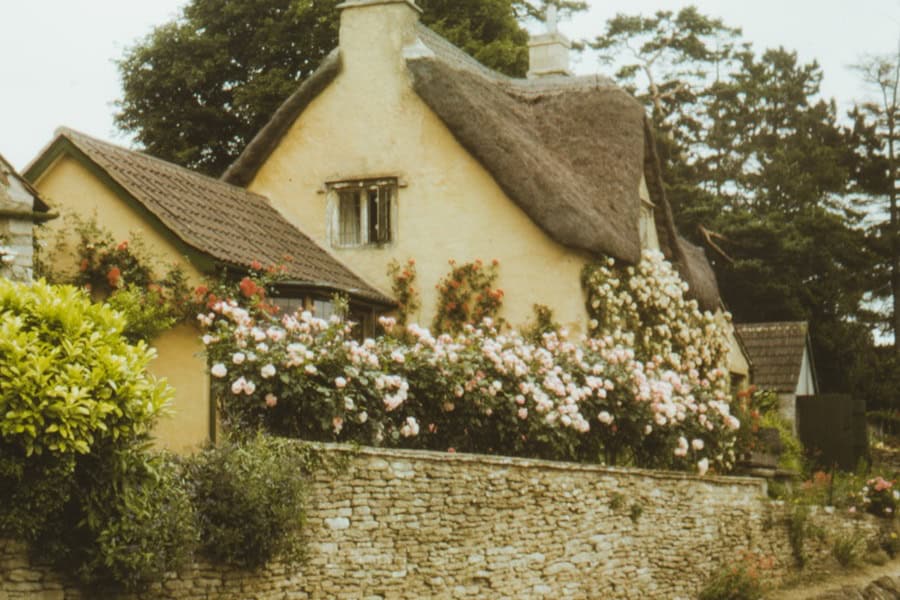
Castle Combe’s defining trait is its visual cohesion. The lower village, clustered along the narrow By Brook valley, is a near‑complete ensemble of Cotswold stone cottages, mullioned windows, low stone walls and a medieval market cross where the streets meet. Unlike many rural settlements altered by later development, the historic core has seen no modern housing built there since roughly the 1600s, so the scene feels remarkably authentic. For photographers and visitors wanting a quintessential English village aesthetic, Castle Combe delivers.
A compact hub of English history
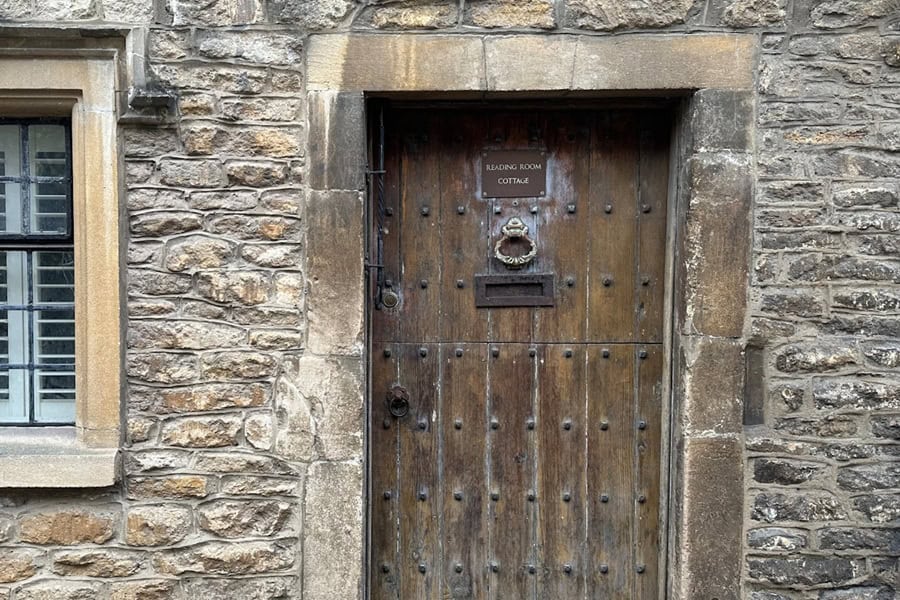
Castle Combe’s history spans millennia. Archaeologists have excavated a nearby Roman villa with a bathhouse and ovens, while the village itself appears in the Domesday Book (1086). The 12th‑century earthworks of the castle, a 14th‑century market cross and the Grade I listed St Andrew’s Church (with parts dating to the 13th century) give layers of interest beyond the pretty. This durable heritage appeals to visitors who want context: Castle Combe is not just a film set, it’s a living record of English rural life.
Films, television and celebrity attention
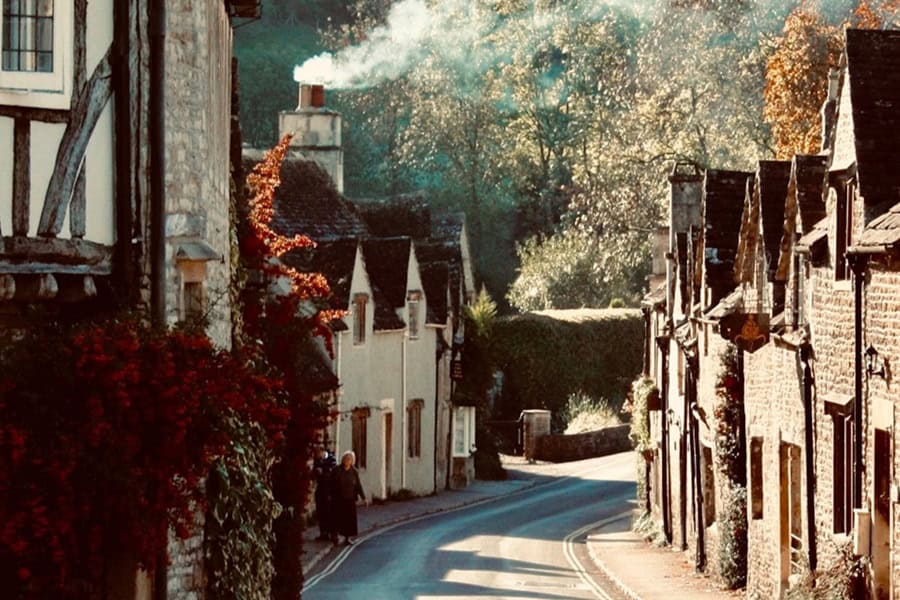
Castle Combe’s picture‑postcard looks have made it a popular filming location. Productions from Doctor Dolittle (1967) to Stardust, War Horse and episodes of Agatha Christie’s Poirot have used the village. More recently, Slow Horses and other TV projects have shot here, sometimes under alternate place names. Film tourism is powerful: seeing the village on screen makes viewers want to visit in person, and the village’s film credits consistently feature in travel stories and social feeds.
The setting: By Brook and the Cotswolds AONB
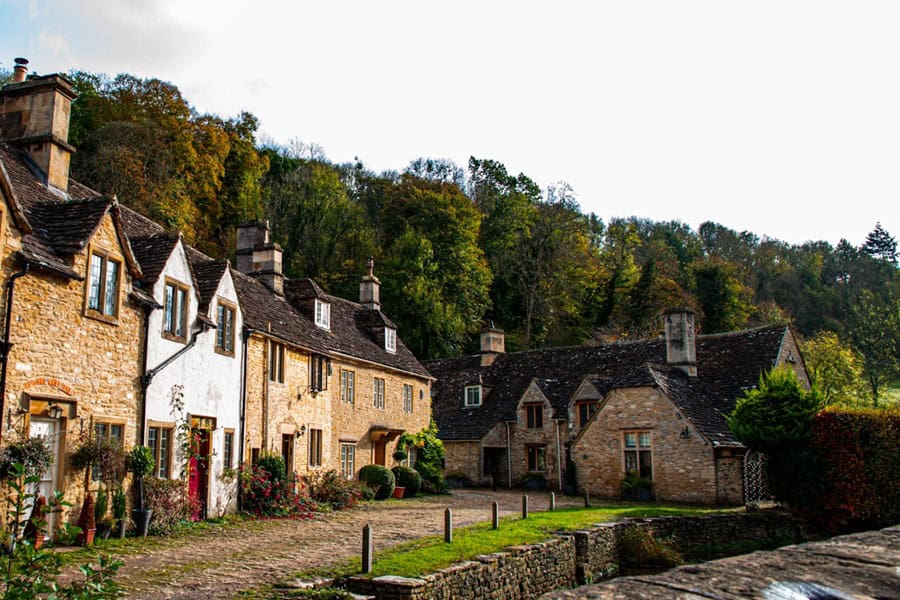
Castle Combe’s riverside location in the By Brook valley and its position within the Cotswolds Area of Outstanding Natural Beauty make it attractive to walkers and nature lovers. Gentle footpaths and lanes radiate from the village, offering varied walks with views across typical Cotswold countryside. The combination of village architecture and surrounding landscape offers a full sensory experience — not just a static scene.
Practical tip: Bring sturdy footwear — some lanes are uneven and can be muddy in wet weather.
A special atmosphere — quiet edges, village life
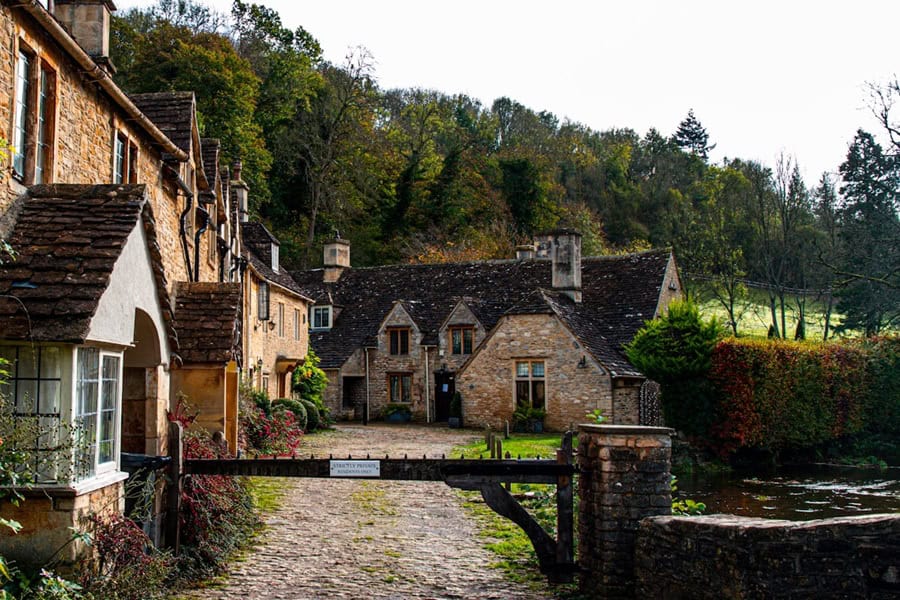
Despite its popularity, Castle Combe retains an intimate, lived‑in atmosphere. It’s a real village with a parish church, a small primary school history and local traditions. Visitors often remark on the sense of calm: the sound of the stream, birdsong and the measured pace of rural life. That feeling of “stepping back in time” is a major draw.
Visitor etiquette: Respect residents’ privacy, avoid blocking driveways or photographing people without permission, and keep noise down, especially early morning and late evening.
Architecture and listed buildings
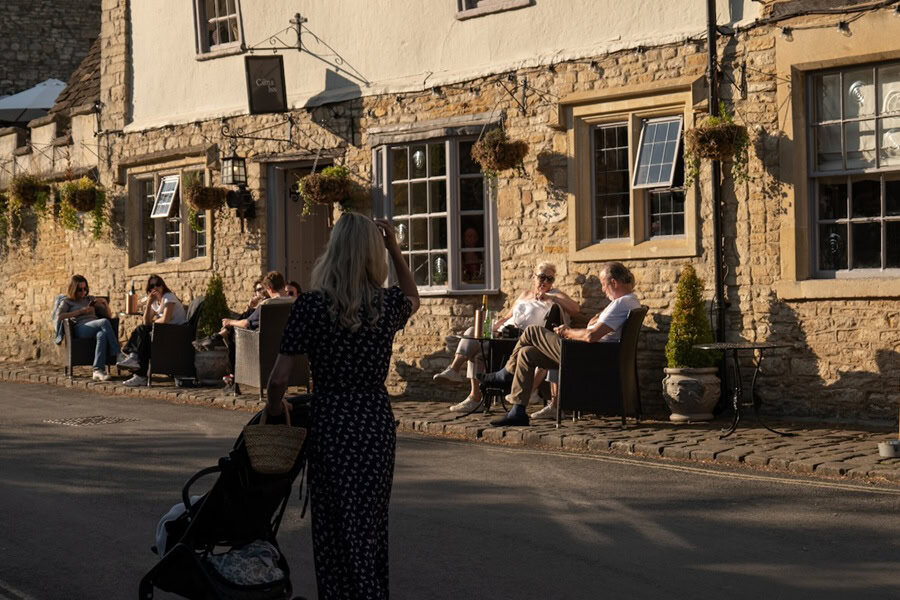
The parish has over 100 listed buildings, nearly all Grade II, and St Andrew’s Church is Grade I listed. Notable buildings like the Dower House and the Manor House contribute to the village’s historic appeal. The market cross, village pumps and the buttercross remain focal points for visitors and photographers.
Unique attractions: the motor circuit and airfield history
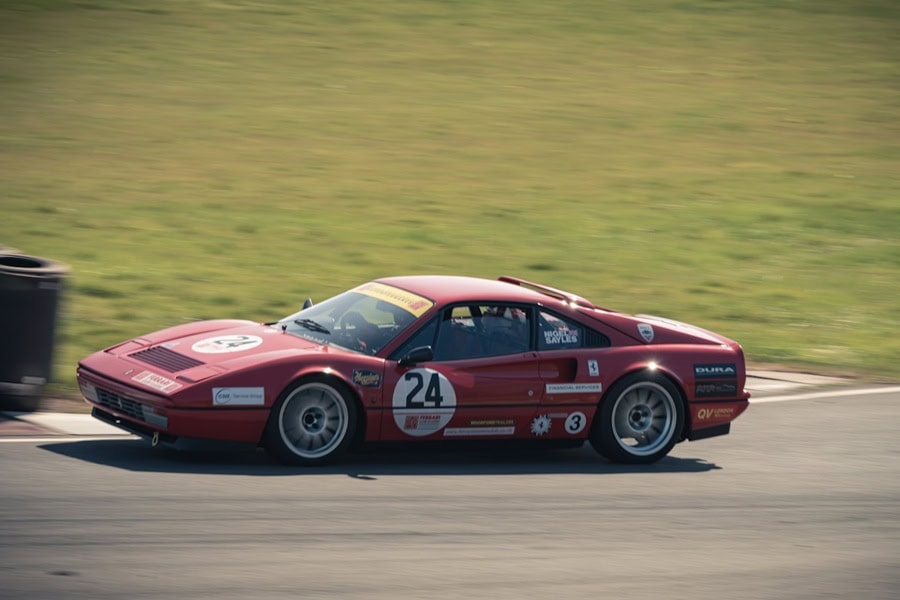
Just south of the village is the Castle Combe Circuit — a classic motor racing track that attracts enthusiasts and events throughout the year. Nearby, the former RAF Castle Combe airfield adds another historical layer, with wartime connections and post‑war usage that includes temporary housing and later adaptation for racing.
Why it matters: the circuit and airfield broaden the village’s appeal beyond heritage tourism to motorsport fans and history buffs.
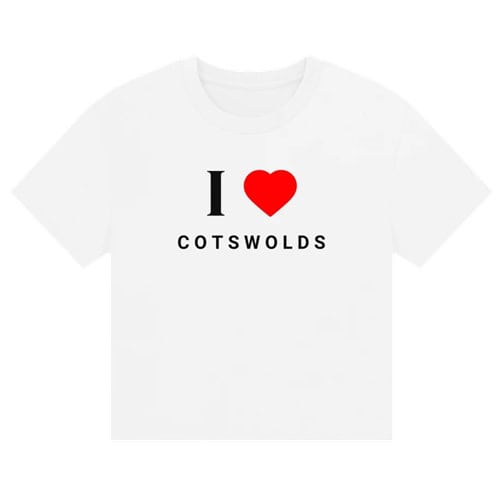
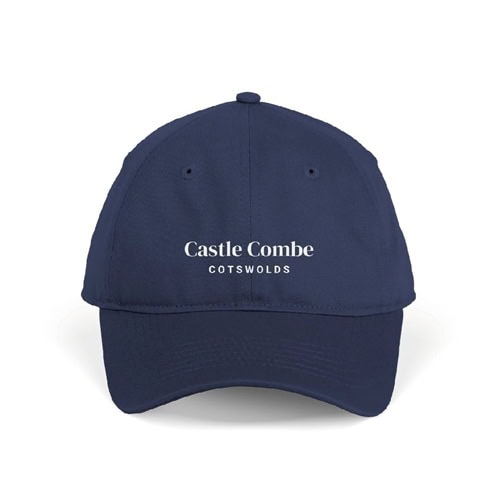
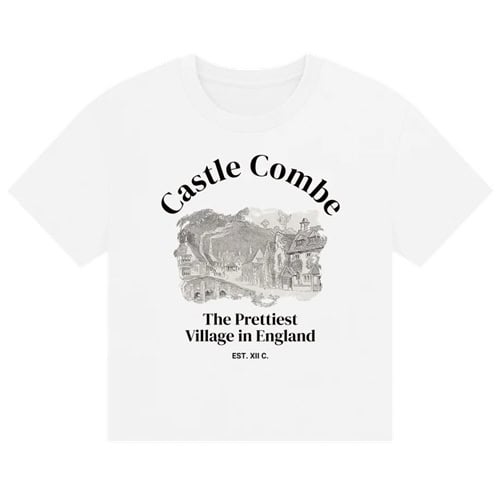
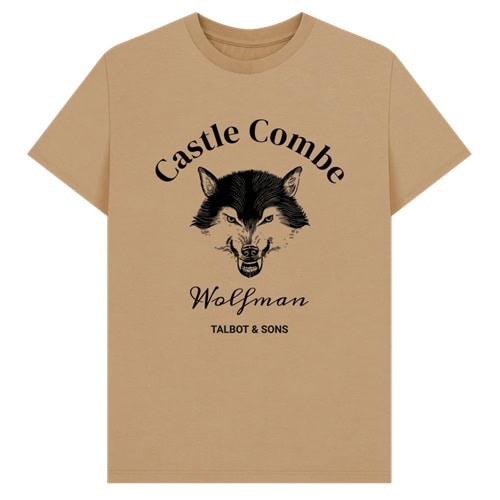

Products
Castle Combe Mercantile >>
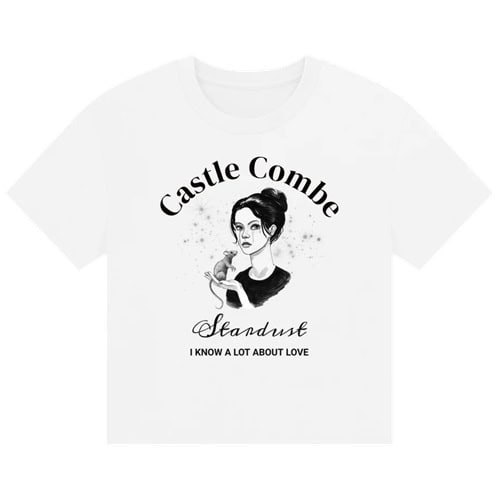

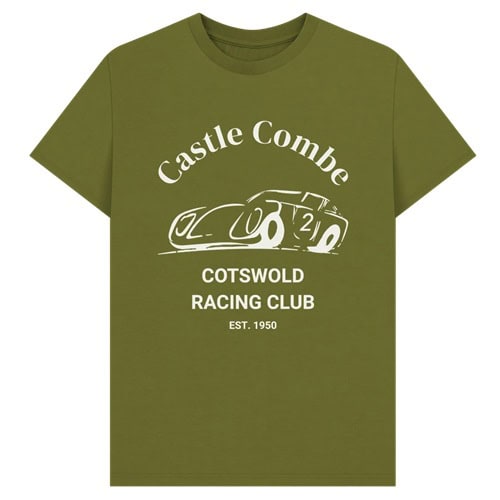
Accommodation and hospitality options
Nearby country hotels and guesthouses — including the grade‑listed Manor House (now operating as a hotel in different incarnations) and small B&Bs — make Castle Combe a comfortable base for an overnight stay. A stay allows visitors to experience the village at quieter times (early morning, late evening) when light and atmosphere are especially lovely.
Accessibility and proximity to other destinations
Castle Combe’s location — roughly 10 miles from Bath and 5 miles from Chippenham — makes it accessible for day trips from cities and London (by train and short drive). For international visitors on a broader Cotswolds tour, Castle Combe is frequently on the shortlist because it’s compact and reliably pretty.
Practical tip: The village has limited parking — use the top‑of‑hill car park and follow local signage. Avoid driving down the lower village unless necessary.
Events, walks and seasonal appeal
While the village itself is small, nearby seasonal events (country fêtes, markets in surrounding towns) and the changing seasons keep visitors returning. Spring and summer bring gardens into bloom, autumn offers golden stone and crisp light for photography, and winter has its quieter charm. Regular walking routes and circular hikes from Castle Combe to neighbouring villages are popular with visitors seeking fresh air and scenic variety.
Why preservation matters — and the tourism challenge
Castle Combe’s popularity brings challenges: footfall pressure, parking congestion and the risk that commercialisation could erode the very attributes that attract people. Local organisations — parish council, heritage groups and the Manor House estate — work to balance access with conservation. Responsible visitation is important: stick to paths, respect private property and use local facilities.
Practical tips for visitors
- Best time to visit: early morning or late afternoon to avoid the busiest hours and capture softer light for photos.
- Parking: use the designated car park at the top of the hill; follow signs and village guidance.
- Facilities: toilets by the bridge; the small museum closed in 2012 so check current visitor information before you arrive.
- Dogs: welcome in many places but keep on leads where livestock are nearby; be mindful of owners and other visitors.
- Photography: the village is photogenic but avoid tripods blocking narrow lanes and be courteous to residents.
Summary
Castle Combe’s popularity is no accident. It combines authentic, largely unaltered architecture and deep historical roots with an irresistible visual identity, accessible location and a string of cinematic cameos that have introduced it to global audiences. The village works because it remains — at heart — a lived place, not a theme park. A visit rewards those who come with curiosity and care: arrive early, linger, and savour the quiet corners as well as the famous views.
Castle Combe Mercantile
FAQ
Why is Castle Combe so famous?
Castle Combe is famous for its exceptionally well‑preserved Cotswold stone cottages, medieval market cross, historic church and frequent use as a film location, all combining to create a quintessential English village image.
Is Castle Combe the prettiest village in England?
Many publications and travel writers describe Castle Combe as one of the prettiest villages in England thanks to its cohesive historic architecture and scenic riverside setting, though “prettiest” remains subjective.
What films and TV shows were filmed in Castle Combe?
Castle Combe has featured in films and TV such as Doctor Dolittle (1967), Stardust, War Horse, The Wolfman, Mariah Mundi and TV series including Poirot and Slow Horses.
How far is Castle Combe from Bath and Chippenham?
Castle Combe is approximately 10 miles (16 km) north‑east of Bath and about 5 miles (8 km) north‑west of Chippenham.
Can I drive through the village?
You can drive, but the lower village has narrow lanes and limited parking. Visitors are encouraged to use the top‑of‑hill car park and explore the lower village on foot.
Are there guided tours of Castle Combe?
Castle Combe itself is often explored independently, but local tour operators and guided Cotswolds tours sometimes include the village; check local tourism listings for current options.
What’s the best time of day to photograph Castle Combe?
Early morning or late afternoon (golden hour) offers the best light and fewer crowds for photography.
Is Castle Combe dog‑friendly?
Many visitors bring dogs, but keep them on a lead in the village and on nearby footpaths, and be mindful of livestock and residents.
Why are there so many listed buildings in Castle Combe?
The village retains a high concentration of historically significant buildings and features that reflect its long history and traditional Cotswold architecture, so many structures are officially listed for preservation.
Is the Manor House open to the public?
The Manor House has been used variously as a private home, hotel and country club. Check its current website or local listings for visitor access and accommodation availability.
@CastleCombeEngland
Tag when you visit & follow us on Instagram